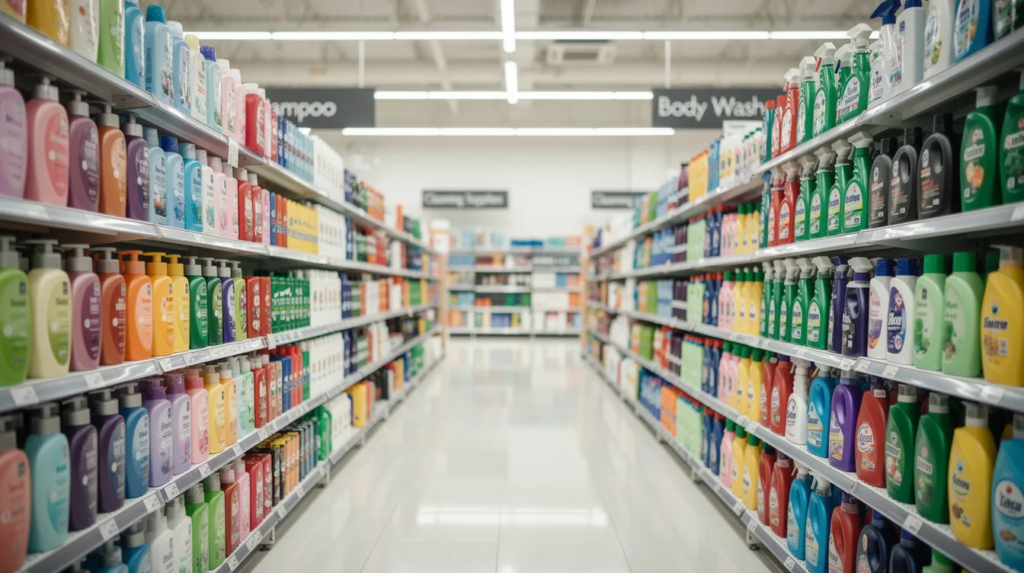
SLES is also called Sodium Lauryl Ether Sulfate, or AES). It is the world’s most widely used anionic surfactant in the daily chemical industry. It is the backbone of the daily chemical industry. It drives the foam, cleaning, and emulsification in shampoos and dishwashing liquids. Every formulator and buyer knows it.
But mastering SLES is not just about dropping it into a tank.
This guide cuts the fluff. You will get deep technical insights. Learn the real chemistry and raw material quality control. Discover how to avoid formulation stability traps. Finally, we look at the real market shift toward green alternatives.
Key Takeaways
-
SLES is also called Sodium Lauryl Ether Sulfate, or AES). It is the world’s most widely used anionic surfactant in the daily chemical industry. It is the backbone of the daily chemical industry. It drives the foam, cleaning, and emulsification in shampoos and dishwashing liquids. Every formulator and buyer knows it.
But mastering SLES is not just about dropping it into a tank.
This guide cuts the fluff. You will get deep technical insights. Learn the real chemistry and raw material quality control. Discover how to avoid formulation stability traps. Finally, we look at the real market shift toward green alternatives.
What Is SLES? Overview and Chemical Identity
Since the 1960s, Sodium Lauryl Ether Sulfate has been a primary surfactant in the global daily chemical industry. Developed as a milder alternative to Sodium Lauryl Sulfate (SLS), SLES offers balanced cleaning power, rich foam, and cost-effectiveness.
| Property | Details |
|---|---|
| INCI Name | Sodium Laureth Sulfate |
| CAS Number | 9004-82-4 (common mixture) |
| Chemical Type | Anionic surfactant (sulfate ester class) |
| Common Names | SLES, AES, Sodium Lauryl Ether Sulfate |
The name “laureth” means the lauryl alcohol is ethoxylated. It usually contains 2–3 ethylene oxide (EO) units. These units sit between the alkyl chain and the sulfate head group.
Why does this matter? This specific EO chain length dictates your formula’s performance. It directly controls three critical factors: water solubility, foam texture, and skin mildness.
Commercial SLES is sold as:
-
28% active – clear liquid for easy batching
-
35% active – intermediate handling
-
70% active – viscous paste for economical transport
Compared to SLS, SLES offers markedly improved skin mildness and better hard-water tolerance, making it the default cleansing surfactant in cosmetics and household cleaning products.
Physicochemical Properties and Surfactant Behavior
Understanding SLES properties helps formulators optimize cleaning, foaming, and viscosity.
Critical Micelle Concentration (CMC)
The CMC of SLES in deionized water is 1.0–5.0 mM (roughly 0.03–0.15% w/v). Below CMC, monomers reduce surface tension; above CMC, micelles solubilize oils and soils.
Compatibility with Other Surfactants
| Co-surfactant Type | Benefits |
|---|---|
| Nonionic (e.g., fatty alcohol ethoxylates) | Reduce irritation, improve hard-water performance, enhance oil emulsification |
| Amphoteric (e.g., CAPB – cocamidopropyl betaine) | Moderate anionic charge, richer foam, improved viscosity response |
| Amides (e.g., Cocamide DEA, CDEA) | Foam boosters, stabilizers, viscosity modifiers |
| Amine oxides (e.g., lauryl dimethyl amine oxide) | Foam enhancement, viscosity building, antistatic effects |
Electrolyte Response (Salt Curve)
Adding moderate NaCl to SLES solution increases viscosity significantly—a cost-effective thickening strategy for shampoos and body washes. However, excess salt causes viscosity collapse. The optimal salt level must be determined empirically for each formulation.
Industrial Production Process
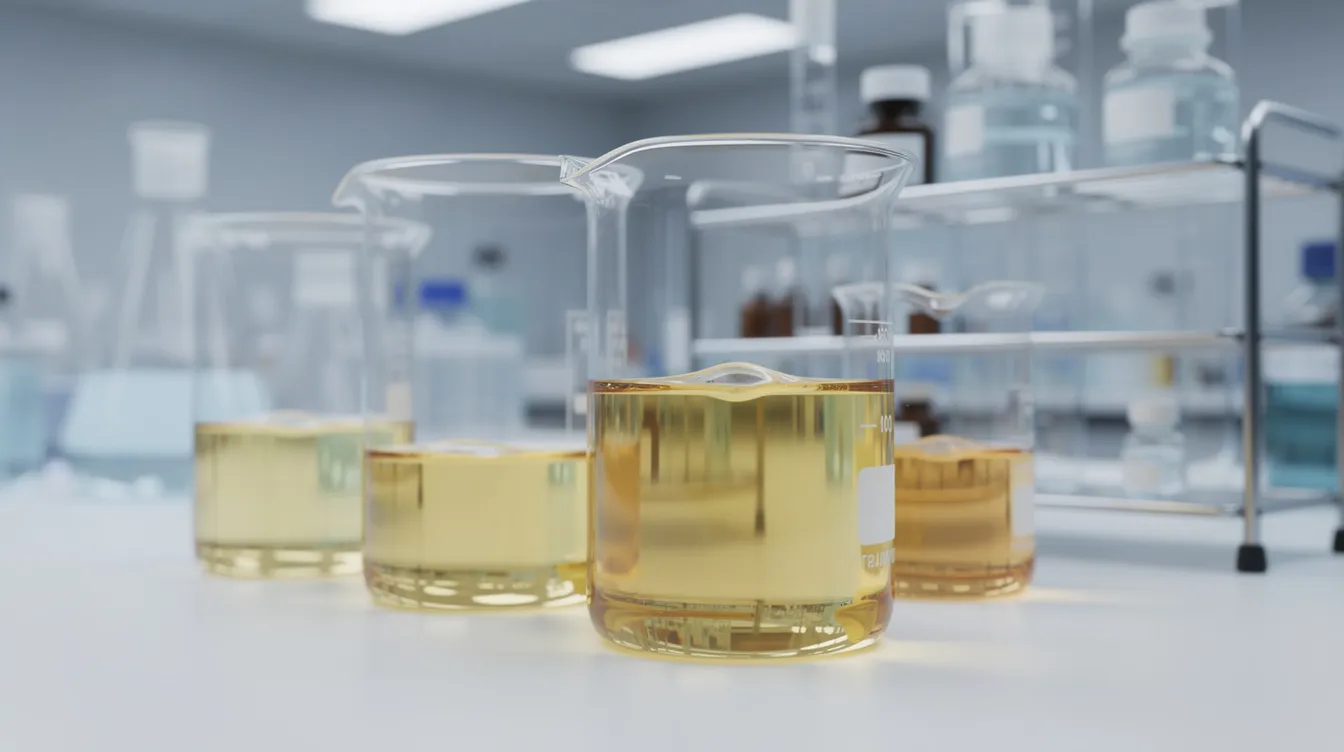
Modern SLES production uses continuous technology with tight control of ethoxylation, sulfation, and neutralization.
Step-by-Step Manufacturing
-
Ethoxylation – Lauryl alcohol (from coconut or palm kernel oil) reacts with ethylene oxide (EO) at 140–180°C, 2–4 bar, to achieve 2–3 EO units.
-
Sulfation – The ethoxylate reacts with SO₃ or chlorosulfonic acid.
-
Neutralization – Dilute NaOH converts the acid to sodium salt.
-
Purification – Vacuum stripping removes residual 1,4-dioxane; filtration removes particles.
Quality Parameters (Cosmetic Grade)
| Parameter | Typical Spec |
|---|---|
| Active matter | 28±2% or 70±2% |
| pH (1% dilution) | 6.5–9.5 |
| Unsulfated matter | ≤ 3.5% (premium ≤ 1.5%) |
| Sodium sulfate | ≤ 1–2% |
| 1,4-Dioxane | ≤ 5 ppm (target ≤ 1 ppm) |
Reputable suppliers provide a Certificate of Analysis (COA) with every batch.
Main Applications in Daily Chemical and Personal Care
SLES is a cornerstone surfactant in both personal care and home care products worldwide.
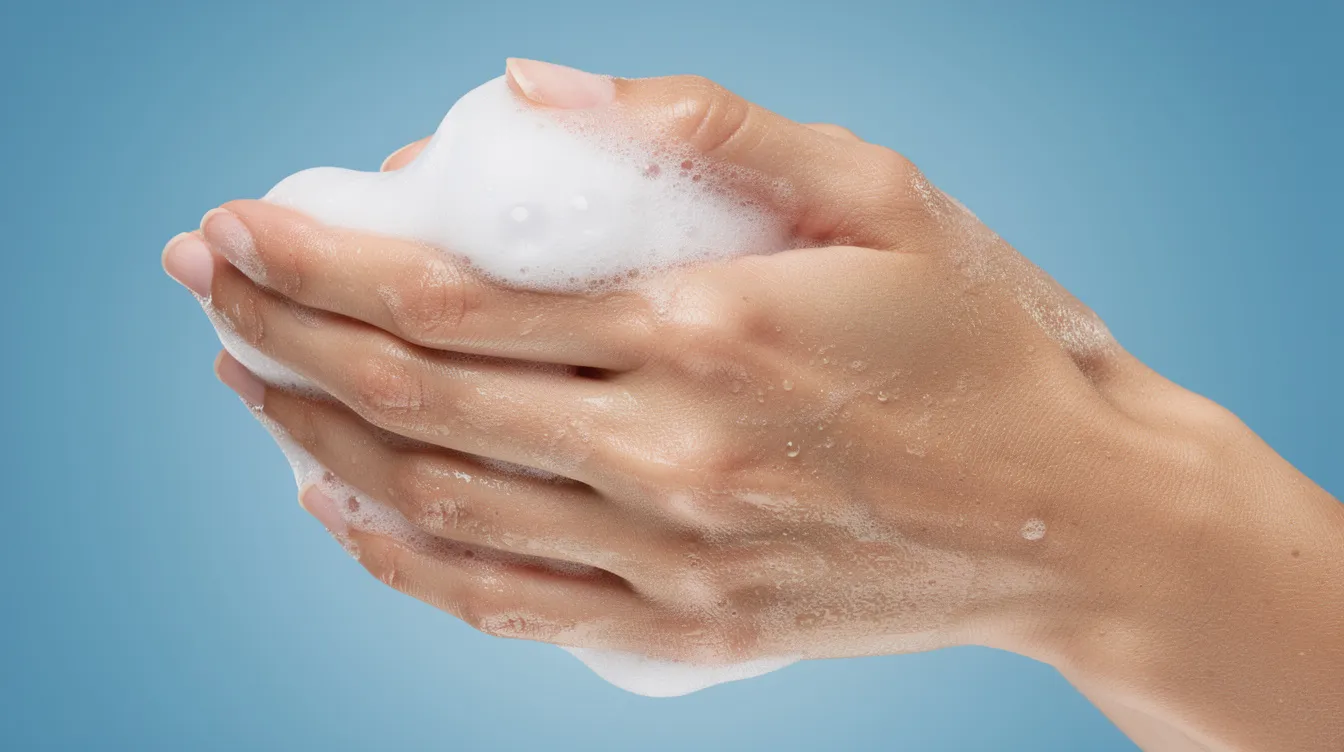
Personal Care Applications
| Product | Typical SLES Active (%) | Common Co-surfactants |
|---|---|---|
| Shampoo | 5–15% | CAPB, CDEA, amine oxides |
| Body wash | 8–12% | CAPB, sodium cocoyl isethionate |
| Facial cleanser | 3–8% | Nonionic glycosides, CAPB |
| Hand soap | 5–10% | CAPB, CMEA |
| Toothpaste | 1–2% | – |
Home Care and Household Cleaning
| Product | Typical SLES Active (%) | Key Function |
|---|---|---|
| Dishwashing liquid | 10–25% | Grease cutting, long-lasting suds |
| Laundry detergent | 5–15% | Oil emulsification, soil suspension |
| Multi-purpose cleaner | 3–10% | Wetting, lifting grime |
| Car wash liquid | 5–15% | High-foam rinse-off |
Formulation Design: Synergy with Other Surfactants
No SLES formulation works in isolation. Synergy with co-surfactants is essential.
SLES + CAPB (Cocamidopropyl Betaine)
This is the most important binary system in modern personal care:
-
Reduced irritation – Mixed micelles are less aggressive to skin.
-
Richer foam – Denser, creamier lather.
-
Better viscosity control – Enhances salt-curve response.
-
Skin-friendly pH – Works well at pH 5.0–6.5.
For high-quality CAPB that delivers these benefits, sourcing from reliable suppliers is essential to formulation success.
SLES + CDEA (Cocamide DEA)
Cocamide DEA (CDEA) is a nonionic surfactant widely used as a foam booster and viscosity modifier in SLES-based systems. When combined with SLES, CDEA:
-
Creates dense, creamy foam texture
-
Enhances viscosity without excessive salt
-
Improves emulsion stability for fragrance oils
SLES + Amine Oxide
Amine oxides serve as excellent foam stabilizers and viscosity builders. In hair care formulations, they also provide antistatic benefits, reducing flyaway and improving combability after rinsing.
Limitations with Cationic Materials
Direct mixing of SLES with strong cationics (e.g., benzalkonium chloride) forms insoluble complexes, causing precipitation and performance loss. Solutions include:
-
Encapsulating the cationic active
-
Optimized anionic-to-cationic ratios
-
Using nonionic spacers
Skin Mildness, Safety, and Environmental Impact
Is SLES Safe?
SLES is generally recognized as safe in rinse-off cosmetics at typical use concentrations. Regulatory bodies (SCCS, FDA, CIR) have concluded SLES is safe when formulated to be non-irritating.
Factors Influencing Skin Mildness
-
EO chain length – Longer EO chains are milder.
-
Co-surfactants – CAPB and nonionics reduce irritation.
-
Use level – Lower concentrations are gentler.
-
pH – Near 5.5 is less irritating than alkaline.
-
Conditioning agents – Glycerin, oils rebuild skin barrier.
Clinical study: 5% SLS caused significantly higher skin dryness and TEWL than 5% SLES (PubMed source).
Biodegradability and 1,4-Dioxane
-
Biodegradability – SLES is readily biodegradable (OECD 301), reducing environmental pollution.
-
1,4-Dioxane – A trace by-product classified as a probable human carcinogen (EPA Group B2).
New York State mandates < 1 ppm in household cleansing products (2023).
EU is considering further restrictions under REACH.
High-quality cosmetic-grade SLES now contains < 1 ppm 1,4-dioxane via vacuum stripping.
The “Sulfate-Free” Trend
Consumer awareness drives demand for natural alternatives. Many premium brands replace SLES with sodium cocoyl isethionate, decyl glucoside, or sarcosinates. However, SLES remains dominant in mass-market products due to its performance-to-cost ratio.
Storage, Handling, and Quality Specifications
Storage Guidance
-
Temperature – 15–30°C. Avoid prolonged >40°C.
-
Protection – Keep away from sunlight and strong acids/oxidizers.
-
Freezing – SLES-28/35 can gel below 5°C; gentle warming restores.
-
Shelf life – 12–24 months in sealed containers.
Safe Handling
-
Wear chemical-resistant gloves and goggles.
-
Use local exhaust ventilation during bulk transfers.
-
For skin/eye contact, rinse with copious water.
Packaging Formats
| Format | Typical Use |
|---|---|
| 200 kg drum | Small to mid-volume users |
| 1,000 kg IBC | Medium-scale operations |
| Bulk tanker | Large manufacturers |
Market Trends and Future Outlook
Market Size
The global SLES market was valued at ~USD 1.13 billion in 2025 and is projected to reach ~USD 1.75 billion by 2034 (CAGR ~4.94%). Growth is driven by Asia-Pacific and Latin America.
Key Trends
-
Sulfate-free shift – Premium brands move to alternatives, but SLES remains in cost-sensitive markets.
-
Blended systems – Reduced SLES concentrations combined with mild surfactants (e.g., sodium cocoyl glycinate).
-
Regulatory pressure – EU Ecolabel, Nordic Swan, and China’s expanding safety evaluations.
-
Process innovation – Continuous sulfation, closed-loop water systems, and EO-free alternatives maturing.
SLES will continue to coexist with alternative systems, especially where cost, foam richness, and cleaning strength are key decision factors.
Frequently Asked Questions (FAQ)
Is SLES the same as SLS, and which is milder?
No. SLES is an ethoxylated derivative of SLS (2–3 EO units).
SLES is significantly milder than SLS, as confirmed by clinical patch tests. SLES causes less skin barrier damage at equivalent concentrations.
Can SLES be used with benzalkonium chloride?
Direct mixing causes precipitation and loss of activity. However, carefully designed systems (separate phases, optimized ratios, or encapsulation) can work. Always conduct stability testing.
How can I reduce irritation in SLES-based products?
-
Lower SLES concentration
-
Add CAPB or nonionic co-surfactants
-
Optimize pH to 5.0–6.0
-
Include humectants (glycerin, pantheno
Is SLES allowed in green/eco-labeled detergents?
Yes, under many ecolabels (EU Ecolabel, Nordic Swan) provided it meets biodegradability (OECD 301) and impurity limits (1,4-dioxane). Check specific certification criteria.
What active matter is typical for factory use?
-
28–35% liquids – easy pumping and batching
-
70% paste – economical transport, requires heated storage
Conclusion
SLES (Sodium Lauryl Ether Sulfate) remains one of the most widely deployed anionic surfactants in the global daily chemical industry due to its excellent foaming, cleaning, and cost-effectiveness. While the industry shifts toward milder and more sustainable alternatives, properly formulated SLES systems continue to meet consumer expectations for performance and safety.
For formulators and buyers: source low-1,4-dioxane grades, optimize co-surfactant blends (such as CAPB, CDEA, and amine oxides), and stay informed on evolving regulations. SLES is not disappearing—it is evolving.
Related Products from Jieda Chemical
-
Sodium Lauryl Ether Sulfate (SLES 70%) – Primary anionic surfactant
-
Cocamidopropyl Betaine (CAPB 35%) – Amphoteric co-surfactant
-
Cocamide DEA (CDEA 85%) – Nonionic foam booster
-
Amine Oxide (OA-12) – Foam stabilizer and antistatic agent
-
Sodium Cocoyl Isethionate (SCI) – Mild surfactant for sulfate-free formulations
-
Decyl Glucoside (APG) – Natural nonionic surfactant
-
Sodium Cocoyl Glycinate – Amino acid-based mild surfactant