
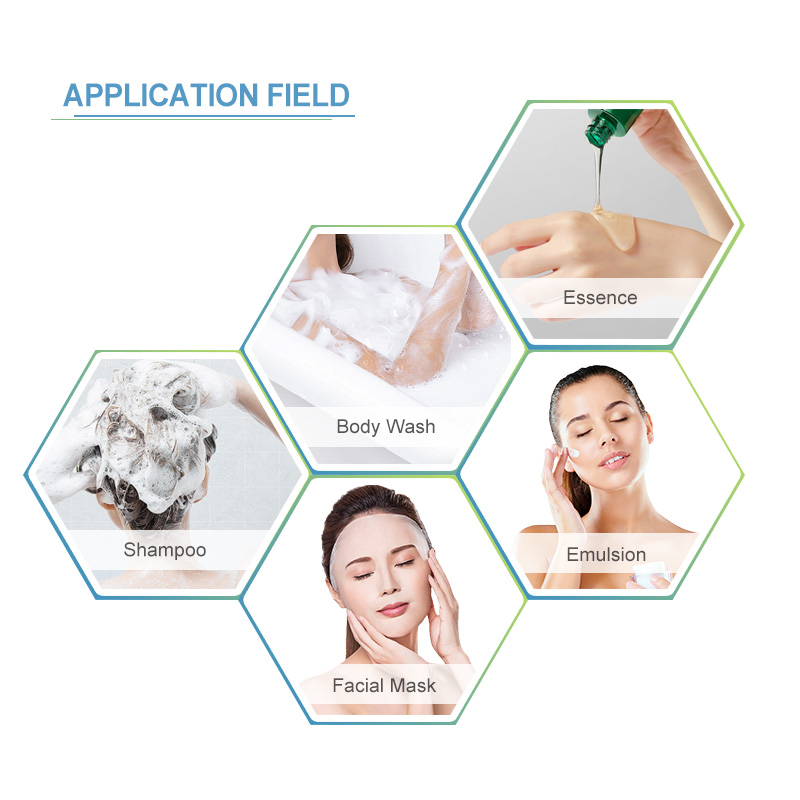
Salicylic Acid (SA) is the cornerstone of effective anti-acne and exfoliating skincare, but its low water solubility often presents the biggest hurdle for cosmetic chemists. This deep dive moves beyond its proven benefits to offer formulators practical, high-value solutions for stable and effective product development.
1. Introduction: Why Salicylic Acid is Skincare’s Multitasker
Salicylic Acid (SA), a Beta-Hydroxy Acid (BHA), is indispensable in the daily care industry for its acne-fighting, pore-clearing, and smoothing properties. However, the formulator’s critical pain point remains its notorious difficulty dissolving in water, leading to instability and compromised efficacy.
User Scenario: Formulators designing new anti-acne face serums or specialty washes require stable, clear, and powerful solutions.
Value Commitment: This article will not only detail Salicylic Acid‘s vast benefits but will primarily focus on resolving the most complex formulating challenge—solubility—providing five robust techniques to ensure product stability and safety.
2. Salicylic Acid‘s Core Skincare Efficacy Explained
Understanding SA’s lipophilic (oil-loving) nature is key to its success in treating common skin issues.
2.1 Acne Mechanism: Deep Pore Cleansing
SA’s defining characteristic is its oil-solubility, allowing it to easily penetrate the sebaceous environment of the hair follicle. Once inside, it dissolves the sebum and cellular debris, effectively unclogging pores and reducing the formation of blackheads and whiteheads.
2.2 Exfoliation and Renewal
SA works as a keratolytic agent by loosening the connections between keratinocytes in the outer layer of the skin. This promotes gentle shedding and encourages a smoother, more even skin texture.
2.3 Anti-inflammatory and Soothing Effects
Beyond exfoliation, SA exhibits mild anti-inflammatory properties, helping to reduce the redness and swelling associated with active acne lesions.
2.4 Other Potential Benefits
Regular use of SA can assist in improving the appearance of enlarged pores and refining overall skin tone.
3. The Formulator’s Real Challenge: SA’s “Solubility” Crisis
Salicylic Acid is often referred to as a “difficult” active ingredient. At ambient temperature, it has a solubility of less than 0.2 g in 100 mL of water, far too low for the effective concentrations needed.
3.1 Chemical Characteristic Analysis
SA’s chemical structure features both a hydroxyl group and a carboxylic acid group, but its large aromatic ring gives it significant lipophilicity and low polarity, inhibiting its ability to form stable hydrogen bonds with water.
3.2 Direct Consequences in Formulation
- Crystallization and Precipitation: If not properly solubilized, SA will fall out of solution.
- Efficacy Instability: Uneven distribution compromises its concentration.
- Aesthetic Impact: Poor dissolution results in cloudy, unattractive products.
4. Core Solutions: 5 Practical Solubilizing and Dispersing Systems
This section provides actionable solutions for achieving stable salicylic acid formulations.
4.1 The Classic Solubilizer: PEG Derivatives (e.g., PEG-40 Hydrogenated Castor Oil)
Mechanism: Non-ionic surfactants like PEG-40 can form micelles, encapsulating the non-polar SA molecule within their core.
Formulating Tip: Solubilizers typically must be used at a ratio of 3:1 to 10:1 (Solubilizer:SA). Good for clear liquids like serums and toners.
4.2 Polyol Solvents: Enhancing Solubility and Aesthetics
Examples: Pentylene Glycol, 1,2-Hexanediol, Ethylhexylglycerin.
Benefit: These work synergistically with water to increase SA’s dissolution capacity. They also provide humectancy and can offer auxiliary preservative effects.
4.3 Ethanol/Alcohol: High Efficiency for Targeted Products
Mechanism: Ethanol is a powerful polar organic solvent that readily dissolves SA.
Consideration: Best suited for quick-drying formulations like scalp sprays or spot treatments.
4.4 Alkali Neutralization (Salt Formation)
Mechanism: By introducing a base like Sodium Hydroxide or Arginine, the acidic SA can be neutralized to form a more water-soluble salt.
pH Impact: The final pH must be kept below 4 to ensure enough free acid is available for biological activity.
4.5 Suspension and Dispersing Systems
Use Case: Ideal for high-concentration products or anhydrous systems.
Mechanism: SA is micronized and dispersed using suspending agents like Xanthan Gum, Carbomer, or HPMC.
5. Safety Application Guidelines: Concentration, pH, and Compatibility
5.1 Safe and Effective Concentration Range
-
Face Washes/Cleansers: ≤ 2%
-
Leave-on Products (Serums/Creams): 0.5% to 2%
5.2 Optimal pH Value Window
The free, unionized acid form of SA is the active exfoliating species. This requires a low final pH, typically between 3 and 4.
5.3 Compatibility and Precautions
- Cationic Agents: Avoid combining SA with certain cationic agents in a high pH environment.
- Niacinamide: Low pH can theoretically accelerate Niacinamide hydrolysis; rigorous stability testing is essential.
- Chelators: Adding a chelating agent like EDTA-2Na can improve formula stability.
6. Popular Product Formulation Archetypes
| Product Type | Example | SA Concentration & System | Key Additives |
|---|---|---|---|
| Purifying Serum | Clear Treatment Solution | 2% (Polyol/PEG Solubilization) | Niacinamide, Hyaluronic Acid, Soothing Agents |
| Pore Mask | Clarifying Clay Mask | 2% (Suspension/Clay System) | Clay, Charcoal, Humectants |
| Body Treatment | Smoothing Body Lotion | 0.5% to 2% (Emulsion) | Lactic Acid, Emollients |
| Acne Cleanser | Gentle Foaming Wash | 0.5% to 2% (Surfactant System) | Mild Surfactants like APG |
7. Summary and Key Takeaways
Salicylic Acid is a potent active ingredient. The key to successful formulations is mastering the solubility challenge and strictly controlling the final pH. The choice of solubilization system must be guided by the final product format.
Seeking a stable, high-performance solution for your Salicylic Acid product?
Our technical team can help you select the perfect solubilizer, polyol, or suspending agent. Contact us today for formulation support or to request free samples.