
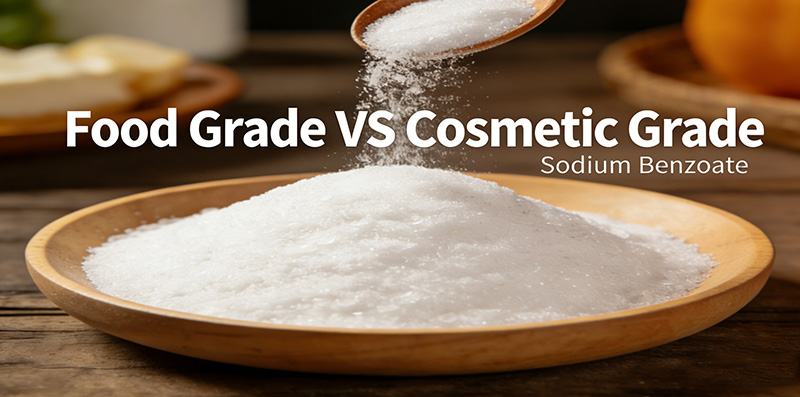
Sodium Benzoate is a widely used preservative. It has antibacterial, antifungal, and mild antioxidant properties. As an effective natural/organic preservative, it is soluble in water and effectively inhibits microbial growth, extending product shelf life. With the growing global demand for safe preservation solutions, understanding the purpose of sodium benzoate, price factors, and compliance standards is crucial for procurement decisions.
Core Functions & Application Areas of Sodium Benzoate
As a preservative, sodium benzoate primarily serves three key purposes:
-
Antibacterial Action: It effectively inhibits bacterial growth.
-
Antifungal Protection: It prevents mold and yeast contamination.
-
Antioxidant Support: It assists in preventing oxidative spoilage.
Applications in the Food Industry
Sodium benzoate is a common preservative in the food industry, suitable for a wide range of products. For instance, it is frequently used in:
-
Beverages: Such as soda, fruit juice, and functional drinks.
-
Condiments: Including soy sauce, sauces, and pickles.
-
Dairy Products: To maintain quality in yogurt, ice cream, and similar items.
-
Desserts & Sauces: To prevent spoilage in jams and various desserts.
A specific example is its use as a preservative in certain branded fruit juice products.
Applications in the Personal Care & Cosmetics Industry
In cosmetics, sodium benzoate is an important component of preservative systems, ensuring product safety and stability. Typical applications include:
-
Skincare Products: Such as lotions and creams.
-
Cleansing & Hair Care Products: Including body wash and shampoos.
-
Sun Care Products: To maintain the efficacy of sunscreens.
-
Oral Care: To ensure hygiene in products like mouthwash.
Procurement Considerations & Quality Standards
When planning to buy sodium benzoate or looking for sodium benzoate for sale, focus on the following key points:
1. Grade & Certification Standards
First, ensure the product has the correct certification. This means:
-
Food-grade certification: Must comply with Sodium Benzoate BP, Sodium Benzoate USP, or other regional food-grade standards.
-
Cosmetic-grade certification: Must meet relevant cosmetic ingredient regulations.
-
Organic Designation: If required for clean-label products, verify it meets sodium benzoate organic standards.
2. Price Influencing Factors
The sodium benzoate price is affected by multiple variables. Therefore, a comprehensive evaluation is necessary:
-
Grade Differences: Prices vary between food-grade and cosmetic-grade.
-
Purchase Volume: Bulk purchases of commercial sodium benzoate often offer cost advantages.
-
Quality Specifications: Primarily the purity of the sodium benzoate ingredients (typically ≥99%).
-
Packaging & Transportation: These logistics impact the overall cost.
3. Usage Regulations & Safety
Adhering to regulations is paramount for safe use. Importantly:
-
Safety Profile: Research confirms sodium benzoate is safe as a preservative when used correctly.
-
Regulatory Limits: Countries have clear regulations on sodium benzoate usage in food and sodium benzoate content in cosmetics.
-
Best Practices: Using sodium benzoate as a preservative requires adhering to recommended concentrations and optimal pH conditions.
Market Supply & Procurement Recommendations
When searching for a reliable sodium benzoate supplier, a structured approach is recommended:
-
Define Requirements: First, determine whether you need food preservative sodium benzoate or cosmetic preservative sodium benzoate.
-
Verify Credentials: Next, ensure the supplier provides products meeting BP/USP or other relevant standards.
-
Request Samples: Subsequently, test sodium benzoate solubility and compatibility with your formulation.
-
Compare Quotes: Then, comprehensively evaluate the sodium benzoate preservative price and total procurement cost.
-
Confirm Compliance: Finally, ensure the products meet your target market’s specific food additive or cosmetic ingredient regulations.
Conclusion
In summary, sodium benzoate as a preservative plays an irreplaceable role in both food preservation and cosmetic preservation. Whether used for preserving pickles, beverage preservation, or as part of a cosmetic preservative system, its correct application effectively enhances product stability and safety. Therefore, during procurement, it is essential to select the appropriate grade based on your application and to partner with a supplier who provides high-quality, compliant products.
Ultimately, as consumer awareness of product safety increases, a thorough understanding of sodium benzoate’s purpose, safety, and correct usage is crucial for product developers and purchasers alike. Properly using this preservative ensures product quality and regulatory compliance, making it a vital component in modern manufacturing.