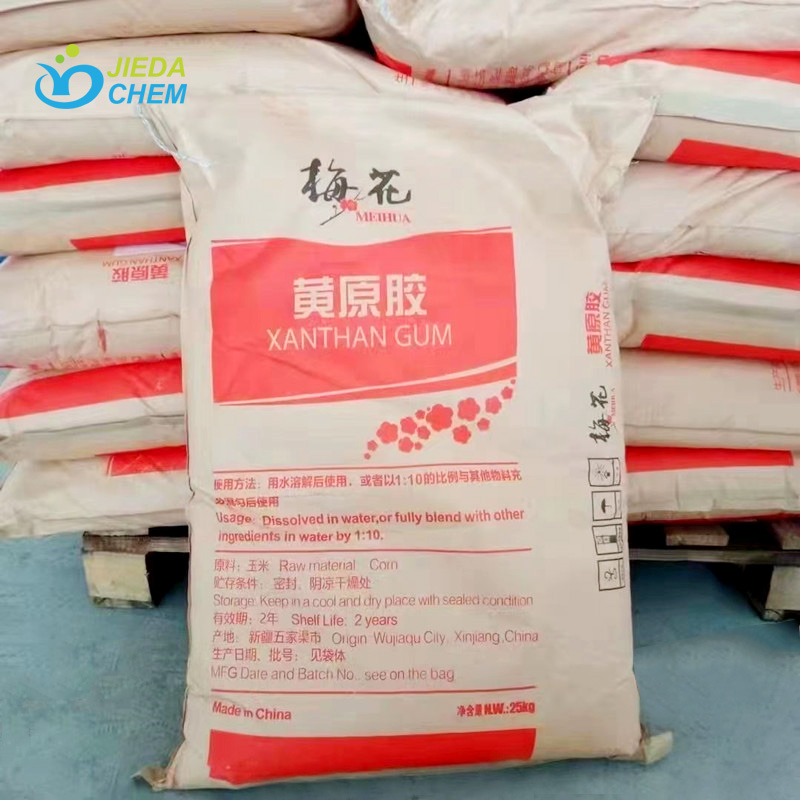

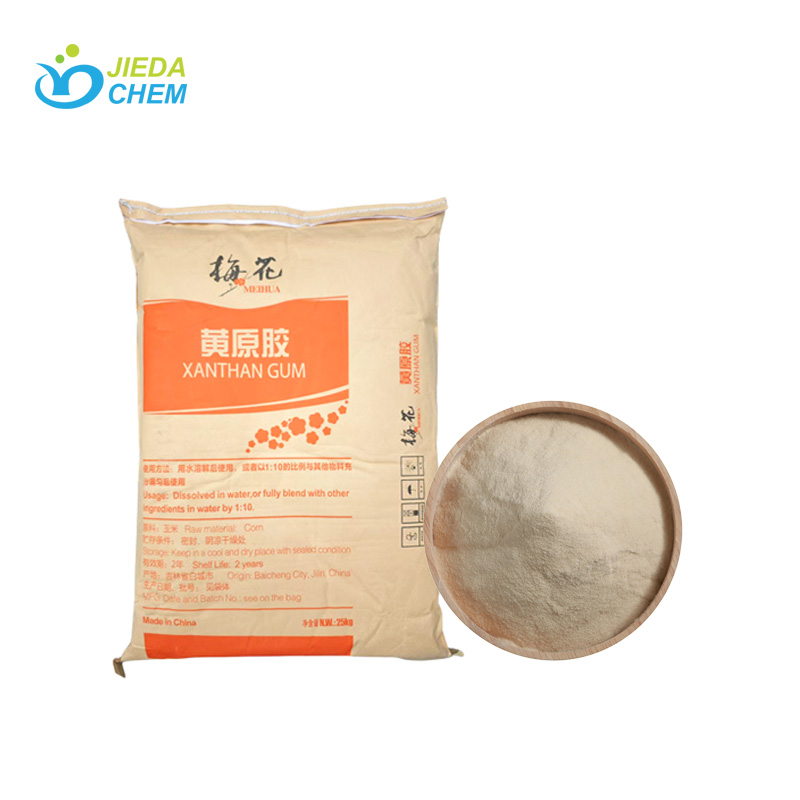


Brief Introduction:
2.Alias: Xanthan
3.CAS:11138-66-2
4.Chemical formula: (C35H49O29)n
5. Appearance:Light yellow to white flowable powder.
Characteristics and Application of Cosmetic-Grade Xanthan Gum
Cosmetic-grade xanthan gum is produced and controlled specifically for use in cosmetics, personal care products, and household cleaners. Its key features are:
|
Item
|
Specification
|
|
Appearance
|
Light yellow to white flowable powder
|
|
Particle size
|
99% through 80 mesh or 92% through 200 mesh
|
|
Viscosity
|
≥600
|
|
Shearing property
|
≥6.5
|
|
Moisture
|
≤15%
|
|
Ash
|
≤16
|
|
Total nitrogen
|
≤1.5%
|
|
Pyruvic acid
|
≥1.5%
|
|
Lead
|
≤2ppm
|
|
Total plate count
|
≤5000cfu/g
|
|
Yeast
|
≤500cfu/g
|
|
E.coli
|
≤30cfu/g
|
|
Salmonella
|
Negtive
|
-
Excellent Rheology Modifier and Stabilizer:
-
Thickening & Suspension: It significantly increases the viscosity of products like shampoo, shower gel, hand soap, liquid cleansers, and facial washes. It also suspends particles (e.g., scrubbing beads, moisturizing microspheres) to prevent separation.
-
Emulsion Stabilization: In creams, lotions, and sunscreens, it helps stabilize oil-water mixtures, preventing phase separation and extending product shelf life.
-
Improved Texture: Provides a smooth, easy-to-spread sensory experience without a sticky feel.
-
-
Good Compatibility:
-
Works well with common cosmetic ingredients like salts, surfactants, and other thickeners.
-
-
Good pH Stability:
-
Remains stable and effective across the typical pH range of cosmetic products (pH 3-12).
-
-
High Purity and Safety:
-
While its specifications for heavy metals and microorganisms may not be as stringent as food-grade, cosmetic-grade still requires high purity, low impurities, and must be non-irritating to skin and eyes, complying with cosmetic ingredient safety regulations.
Common Product Applications
-
Hair Care: Shampoo, conditioner (adds viscosity, stabilizes nutrients, improves foam and combability).
-
Facial Care & Skincare: Facial cleansers, toners, serums, creams, masks (especially gel-type masks for texture and ingredient suspension).
-
Body Care: Body wash, body lotion, deodorant.
-
Oral Care: Toothpaste (as a binder and thickener to stabilize the paste).
-
Household Cleaners: Used as a thickener in some premium liquid detergents and hand soaps to prevent settling of active ingredients.
Difference from Food-Grade Xanthan Gum
-
Standards Differ:
-
Food Grade: Must comply with strict food safety standards like GB 1886.41 (China), FDA (USA), or EFSA (Europe), with tight limits on heavy metals, microorganisms, and solvent residues.
-
Cosmetic Grade: Primarily follows regulations like China’s Cosmetic Safety Technical Specifications or similar international cosmetic ingredient standards. The focus is different, but safety is equally required.
-
-
Cost Difference: Food-grade typically has higher production costs due to stricter standards.
-
Application Context: The two grades are not interchangeable. Food manufacturers must use food-grade materials, while cosmetic manufacturers choose cosmetic-grade ingredients that comply with cosmetic regulations, based on product needs and cost.
-
-