
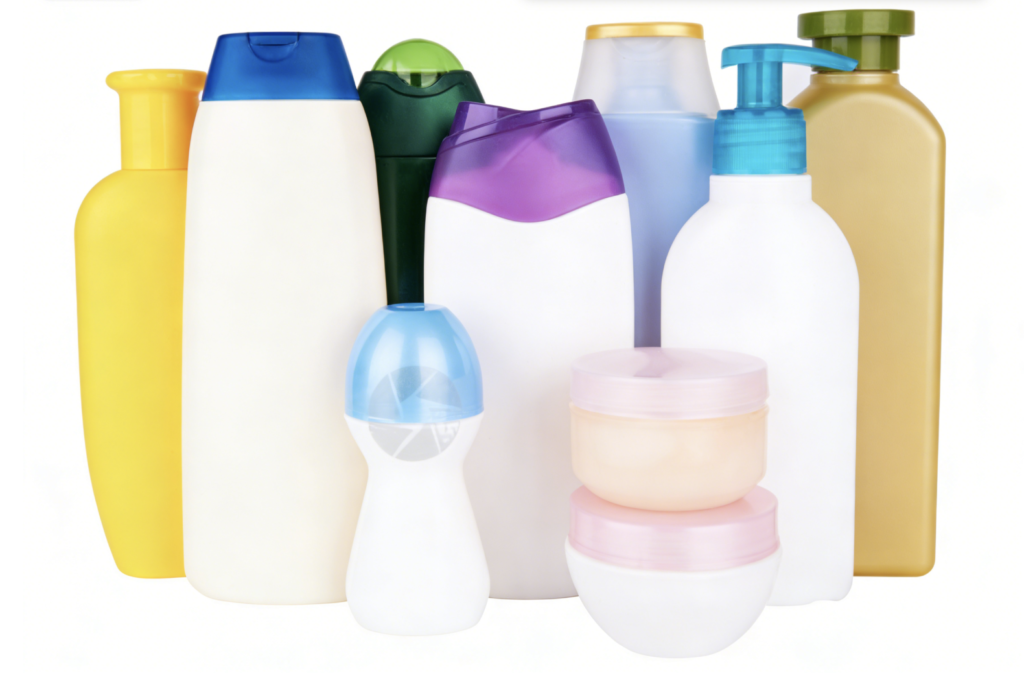
For shampoo formulators and manufacturers, every new product development is a delicate balance between cleansing performance, mildness, cost efficiency, and stability. From lab-scale trials to mass production, selecting the right combination of ingredients is the cornerstone of a successful product.
Why Ingredient Selection Matters Most for Formulators, raw material choices directly determine:
- Product Performance: The source of cleansing power, foam quality, and post-wash feel.
- Cost Optimization: Different grades of surfactants, thickeners, and chelators directly impact your formula’s cost structure.
- Regulatory Compliance: Meeting market-specific restrictions on preservatives, sulfates, and other ingredients.
- Production Stability: Purity and batch-to-batch consistency affect large-scale manufacturing efficiency and quality control.
Mastering these ingredients is the foundation for creating differentiated, high-performance products.
10 Essential Ingredient Categories for Shampoo Formulation
Whether you are developing a powerful anti-dandruff shampoo or an ultra-gentle baby wash, these 10 categories are your building blocks.
1. Primary Surfactants: SLES & SLS
- INCI Names: Sodium Laureth Sulfate / Sodium Lauryl Sulfate
- Role in Formula: Primary cleanser, foaming agent
- Formulator’s Perspective: SLES and SLS are the most widely used primary surfactants globally, prized for their excellent detergency, rich foam, and high cost-effectiveness. SLES is significantly milder than SLS and is the preferred choice for most daily cleansing formulas. Formulators must pay close attention to the active matter content and 1,4-dioxane residue levels from suppliers to meet strict quality control standards.
- Application Advice: Suitable for a vast range of products from mass-market to mid-tier lines. Typically co-formulated with amphoteric or non-ionic surfactants to optimize mildness. For a reliable source of high-purity SLES, browse our Sodium Lauryl Ether Sulfate (AES) SLES 70% product page.
2. Green Surfactants: APG (Alkyl Polyglucosides)
- INCI Names: e.g., Decyl Glucoside, Lauryl Glucoside
- Role in Formula: Mild cleanser, foam booster, natural-origin claim
- Formulator’s Perspective: APGs are made from renewable plant materials (glucose and fatty alcohols). They are renowned for exceptional mildness, low skin/eye irritation, and excellent biodegradability, making them the core of “green” formulations.
- Application Advice: Widely used in premium “natural” shampoos, baby care products, and formulas for sensitive scalps to significantly reduce overall formula irritation. Explore our range of gentle surfactants in the Surfactants section.
3. Co-Surfactants: CDEA & CAPB/CAB
- INCI Names: Cocamide DEA / Cocamidopropyl Betaine
- Role in Formula: Foam stabilizer, viscosity builder, irritation reducer
- Formulator’s Perspective: These are classic foam modifiers. They refine bubble structure for dense, creamy lather, stabilize foam, and effectively reduce the irritation potential of primary surfactants while improving after-feel.
- Application Advice: CAPB is the more modern, widely preferred choice across most shampoos. CDEA is a powerful thickener but requires awareness of regional regulatory restrictions on DEA. Learn more about sourcing high-quality CAPB for your formulations.
4. Emulsifying & Thickening System: PEG-20 Stearate & Cetearyl Alcohol
- INCI Names: PEG-20 Stearate, Cetearyl Alcohol
- Role in Formula: Non-ionic emulsifier, oil-phase thickener, conditioning agent
- Formulator’s Perspective: This duo is crucial in silicone-free or emulsion-based systems. PEG-20 Stearate effectively emulsifies added oils or esters. Cetearyl Alcohol, a fatty alcohol, significantly builds viscosity and provides a lubricious, conditioning after-feel during rinsing, a key strategy for replacing silicone feel. Find our range of emulsifiers on the Emulsifiers page.
5. High-Foaming Cleanser: Alpha-Olefin Sulfonate (AOS)
- INCI Name: Sodium C14-16 Olefin Sulfonate
- Role in Formula: High-foaming cleanser, hard water tolerant
- Formulator’s Perspective: AOS is famous for its superb foaming ability, especially in hard water, producing abundant, large bubbles.
- Application Advice: Ideal for oily scalp shampoos, bath products, or for boosting foam in soap-based or surfactant blends.
6. – 10. Amino Acid Surfactant Series
Amino acid surfactants are the cornerstone of premium, mild shampoo formulations. Their pH is close to the scalp’s natural level, leaving hair feeling smooth and non-stripped—a key point of differentiation.
- 6. Sodium Lauroyl Glutamate
- Characteristics: Rich, fine foam. After-feel is smooth and moist. Good hard water tolerance.
- Application: Widely used in mid-to-high-end amino acid shampoos for a superior mild wash feel.
- 7. Sodium Cocoyl Sarcosinate
- Characteristics: Derived from natural sarcosine. Good foaming and notable conditioning properties that aid wet combing.
- Application: Common in 2-in-1 shampoos or mild formulas requiring extra slip.
- 8. Sodium Lauroyl Sarcosinate
- Characteristics: Relatively stronger cleansing power among amino acid types, with rich foam and the ability to inhibit hard water precipitation.
- Application: Suitable for daily shampoos needing effective but gentle cleansing.
- 9. Sodium Cocoyl Glycinate
- Characteristics: Made from coconut oil and glycine. Foam is fine, dense, and stable. After-feel is silky and moisturizing.
- Application: Excellent for damaged hair, dry scalps, and moisturizing shampoo lines.
Formulation Support Systems: Ensuring Stability & Efficacy
- 2. Thickeners: HPMC & Carbomer
- INCI Names: Hydroxypropyl Methylcellulose / Carbomer
- Role in Formula: Rheology modifier, suspension stabilizer
- Formulator’s Perspective: HPMC provides a smooth rheology and good suspension, ideal for clear formulas. Carbomer offers extremely high thickening efficiency and rich texture, common in opaque or pearlescent formulas, requiring a neutralization step. For detailed technical guidance, see our article: Hot vs. Cold Soluble HPMC: The Critical Guide for Detergent & Cleaning Formulators.
- 3. Chelating Agents: EDTA-2NA / EDTA-4NA
- INCI Names: Disodium EDTA / Tetrasodium EDTA
- Role in Formula: Metal ion sequestrant, formula stabilizer
- Formulator’s Perspective: EDTA salts chelate calcium and magnesium ions in water, preventing them from interfering with the surfactant system. This avoids precipitation, ensures cleaning efficacy and clarity, and protects fragrances and active ingredients from metal-catalyzed degradation.
- 4. Preservative System: Sodium Benzoate/Potassium Sorbate + Diols
- INCI Names: Sodium Benzoate, Potassium Sorbate, 1,2-Hexanediol, Caprylyl Glycol
- Role in Formula: Preservative, humectant, preservative booster
- Formulator’s Perspective: Sodium Benzoate/Potassium Sorbate are classic, safe acid-preservatives. 1,2-Hexanediol and Caprylyl Glycol are multifunctional aids, providing humectant properties and synergistically boosting the broad-spectrum efficacy of the preservation system. This combination is ideal for achieving “free-from” or clean-label formulations. For procurement insights, read our guide: Food Grade vs. Cosmetic Grade Sodium Benzoate: 5 Key Differences You Must Know for 2026 Procurement.
Summary: The Raw Material Blueprint for a Superior Shampoo
For the professional formulator, a successful shampoo is a perfectly balanced system:
- The Cleansing System: A blend of primary and co-surfactants (SLES/APG/AOS/Amino Acids) precisely tunes the balance of cleansing power and mildness.
- The Sensory & Rheology System: Built by CAPB/Fatty Alcohols/HPMC/Carbomer, this determines lather quality, texture, and the user’s sensory experience.
- The Stability & Safety System: EDTA ensures formula integrity against water hardness, while preservatives like Sodium Benzoate/Diols build a long-lasting, compliant preservation network.
Partner with Jieda for Your Formulation Needs
The quality, purity, and batch consistency of raw materials directly determine whether your R&D efforts successfully translate into market-leading products. As a formulator or manufacturer, partnering with a supplier who offers more than just raw materials is essential.At Jieda, we provide:
- Stable Quality Supply: Ensuring batch-to-batch consistency for reliable large-scale production.
- Comprehensive Technical Support: Access to detailed technical data sheets (TDS), regulatory documents, and application guidance to accelerate your R&D. We believe in Empowering Skincare Innovation: Ingredients × Technical Support × Formula Solutions.
- Reliable Compliance Assurance: Raw materials that meet stringent global regulatory standards.
- Optimized Cost Solutions: Competitive pricing backed by a stable supply chain and professional service.
Ready to start your next project? Contact us to request a free sample and experience the Jieda difference.